
The Tyranny of Pretty Privilege
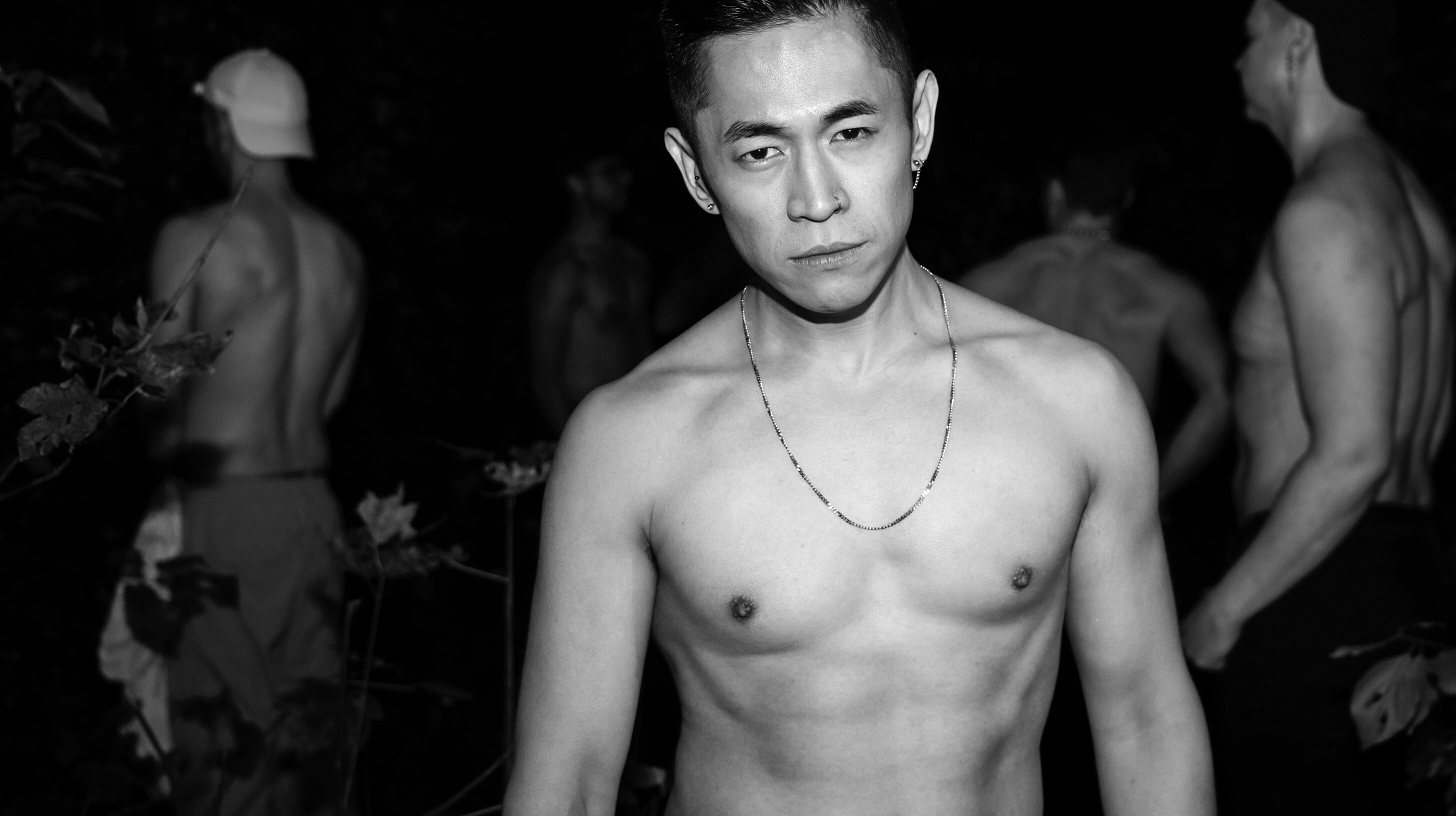
In an upcoming episode (dropping Tuesday 27 May) musician TIN returns to the show. In our chat whilst talking about the racism he faces in Queer culture, he said in “Top Trumps” sex-grading that “an Asian ten will be seen on par as a white six.”
The brutal simplicity of the statement was like a slap. I didn’t know much about racial hierarchies in the gay community – but we likely we all do, whether we admit it or not.
Beauty, we’re told, is subjective. Yet within queer spaces, there’s a surprising consensus about who’s considered attractive – a consensus that often follows deeply entrenched racial lines.
The Scoring System We Pretend Doesn’t Exist
The 1-10 attractiveness scale is a cultural shorthand we all understand, even as many of us roll our eyes at it. But what makes this scoring system especially toxic isn’t just its reductive nature – it’s how unevenly it’s applied.
When TIN spoke about needing to have “the most incredible, pristine body with like 5% body fat” just to be seen as equal to a white man with an average physique, he was pointing to something most white gay men never have to confront: the racial modifier in this unspoken equation.
It’s as if there’s an invisible tax applied to attractiveness for anyone who isn’t white. The same features, the same physique, the same style – all depreciated in value based solely on ethnicity.
The Apps That Made It Worse
Dating and hookup apps have made this dynamic more visible, and in many ways, worse. When we reduced human attraction to a swipe interface, we amplified our existing biases.
Apps didn’t create racial preferences in dating. But they did something insidious: they normalised them. When creating a profile became about making selections to filter out who you can see. It’s a digital “No Blacks. No Irish. No dogs” of the 2020s. Prejudice is transformed from a private thought into public policy.
The Mental Health Cost
The psychological impact of this constant devaluation is rarely discussed. Research from the UK Queer Mental Health Network found that queer people of colour are significantly more likely to report experiences of poor self-image and reduced self-worth compared to their white counterparts.
What TIN described – growing up “accepting a rather poor level of self-worth” and believing that’s all he deserved – is a common experience for many queer people of colour. The message sent by community spaces, dating apps, and media representation is clear: you are less desirable, less worthy of attention, less likely to find love or even just a shag on a Friday night.
Beyond Dating
This isn’t just about who gets more Grindr messages. The same hierarchies play out in queer professional spaces, determining who gets booked, promoted, featured, and celebrated.
TIN mentioned applying for the same shows as white performers and being passed over, watching as “hot white guys just get magically lifted up into positions of either power or opportunities purely from that world of privilege.”
The pattern repeats across creative industries. When publications choose which queer artists to feature, when festivals decide whose music to showcase, when labels determine who deserves investment – the same biases shape these decisions, often unconsciously.
Breaking the Cycle
So what do we do about it? How do we dismantle a system that’s so deeply embedded in our community that many people don’t even see it?
First, we can acknowledge it exists. Pretty privilege is real. Racial hierarchies within that system are real. Naming these patterns makes them harder to perpetuate unconsciously.
Second, we can examine our own “type” with critical honesty. Sexual attraction isn’t entirely within our control, but it’s also not formed in a vacuum. Our desires are shaped by media, culture, and yes, racism. Think about how all those Asian characters in 1980s cinema were old, mysterious men. No sexy or sexual agency allowed. Those spaces In Hollywood cinema were saved for the leads – who were always white. Questioning the origins of our preferences doesn’t mean forcing ourselves to fancy everyone, but it might open us to connections we’d otherwise miss.
Finally, we can challenge these dynamics when we see them. When clubs and events feature exclusively white performers, when media outlets showcase a narrow slice of queer experience, when friends make casually racist comments about their dating “preferences” – these are moments that call for intervention.
The London Effect
There was a moment of hope in TIN’s story. When he moved to London, he found himself receiving attention he hadn’t experienced in Australia. “I’m not intending to say this to be like, oh, my God, I’m so hot,” he explained. “But more so because London is such a diverse and multicultural and open-minded city, it really highlighted the foundational issues in society in Australia.”
Different spaces create different possibilities. London isn’t perfect – far from it – but its diversity creates room for varied standards of beauty and attraction to exist simultaneously.
Perhaps that’s the most hopeful path forward: not trying to convince everyone to find the same people attractive, but creating communities diverse enough that everyone has the chance to be desired, celebrated, and seen.
Because at its heart, that’s what we’re all after, isn’t it? Not universal adoration, but the chance to be valued for who we are, without a racial modifier on our score.
Until TIN’s new episode drops, enjoy his original one HERE.
Find the podcast on Apple, Spotify, or wherever you get your podcasts.
Follow us on Instagram, TikTok, and Facebook.
And don’t forget to check out the official podcast playlist on Spotify.
Leave a Reply