-
Thriving as an Independent Artist in the Streaming Era
“One of the main reasons I’m able to sustain a living as an independent artist is through a subscription plan I run,” reveals Ben McGarvey (Minute Taker) during his ‘In the Key of Q’ interview.. “Over the years, it’s become my biggest income stream. It’s kind of like having a little salary as an independent…
-
Singing as Medicine: A Midlife Transformation
Beyond Therapeutic Platitudes “I sang for three hours all these evergreen songs and it was the first time in weeks that I didn’t have a panic attack,” Rita de Los Angeles recounts in her In the Key of Q interview, describing the accidental discovery that would transform her life at age fifty-five. “And I’m like,…
-
Beyond the Glitter: Queer Folk
The Counter-Narrative When asked whether he fits the stereotypical image of a queer musician, Eric Terino’s response during his In the Key of Q interview speaks volumes. The “glitter balls and six packs” that dominate popular perceptions of queer artistry couldn’t be further from his DIY Folk aesthetic—rooted in what he describes as “earthiness, textures……
-
The Vital Role of Queer Spaces in Modern Society
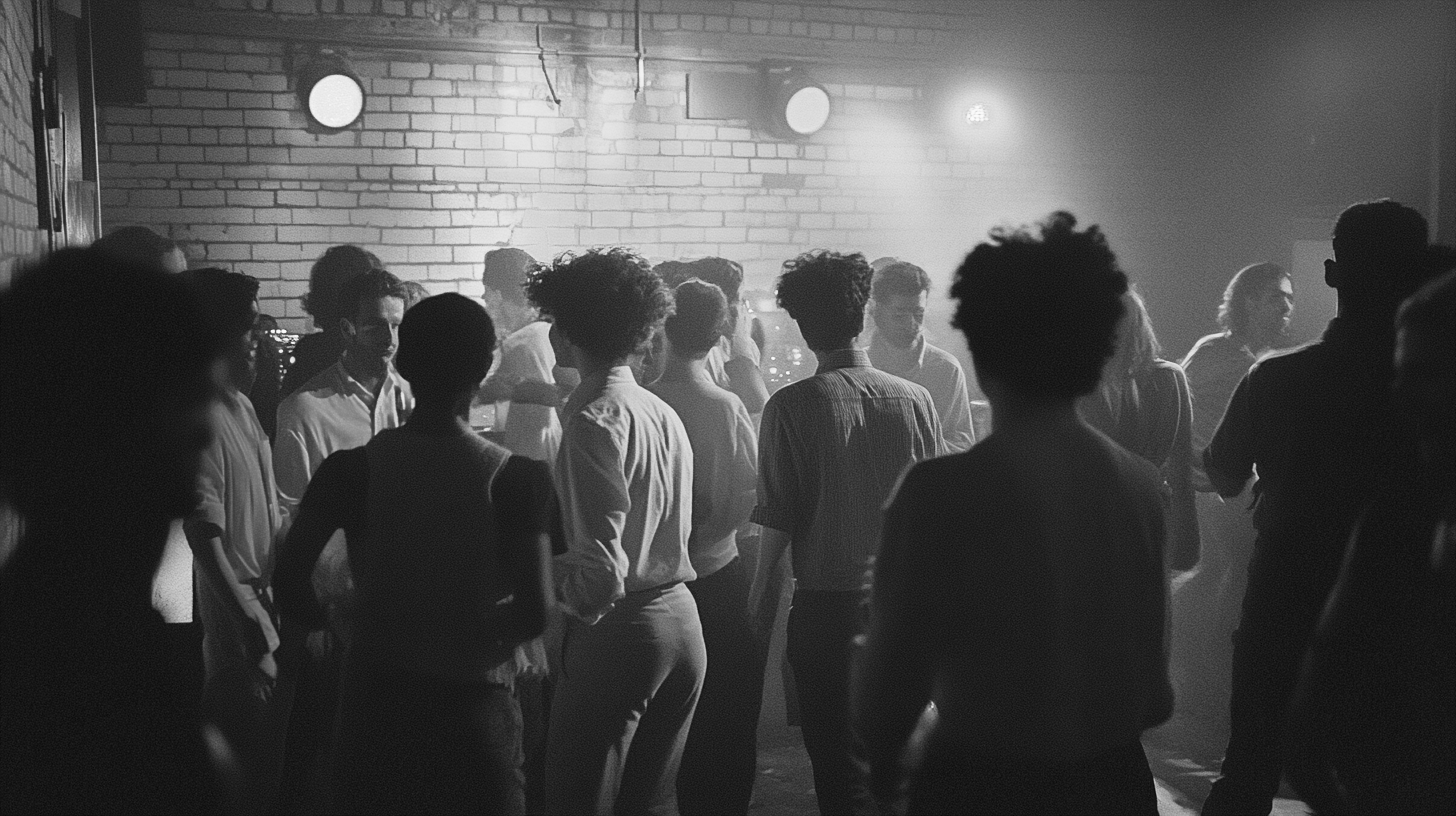
When asked why Queer people still need their own bars, music venues, and cultural spaces, Brooklyn-based musician Roderick Woodruff doesn’t hesitate: “I need it specifically because I don’t often feel safe in other spaces.” His response cuts through a common question posed to Queer communities in the post-marriage equality era: haven’t you won? Why do…
-
Unlocking Confidence: How Queer Artists Transform Through Performance
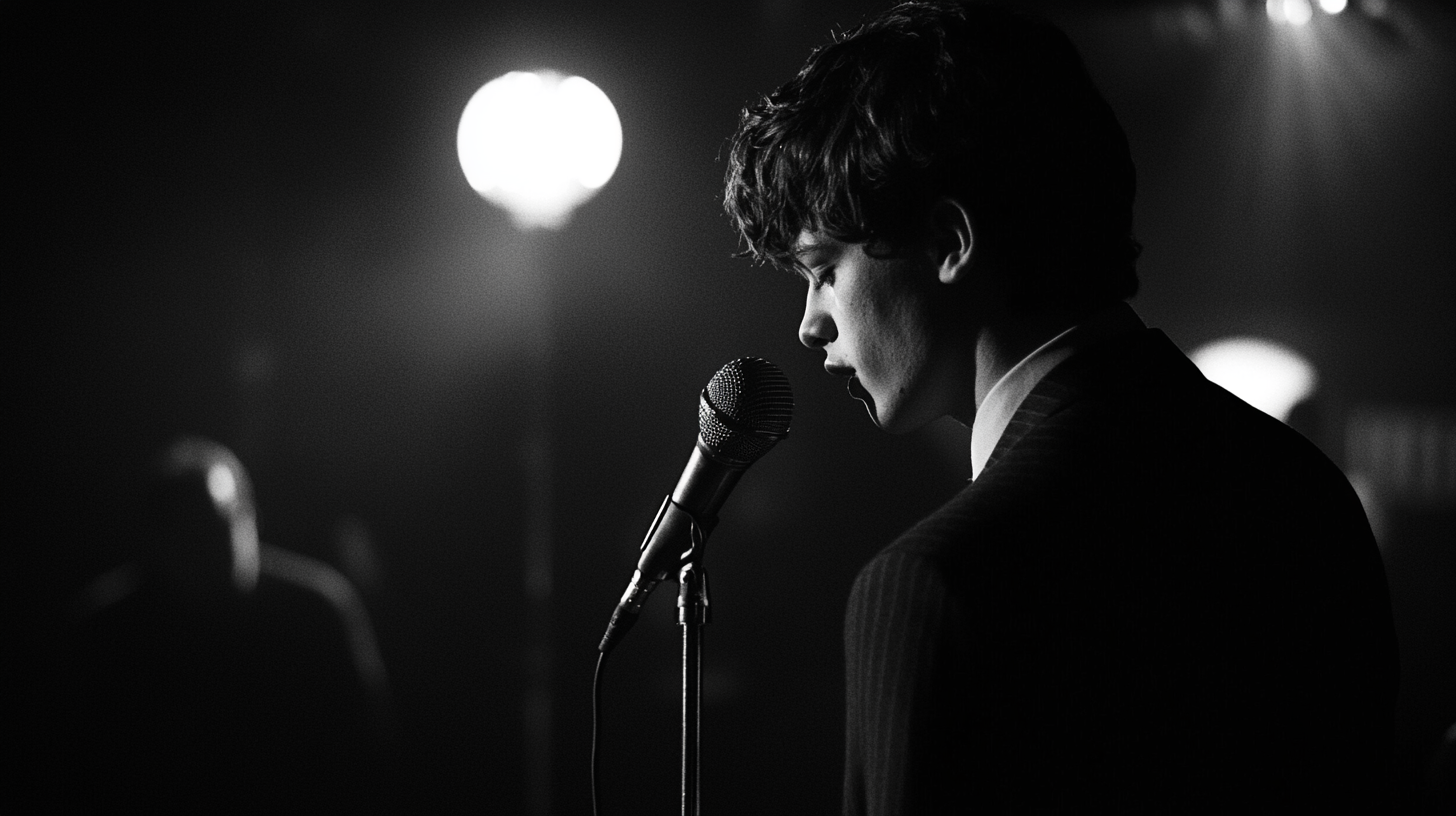
“I’m a very shy guy,” Brazilian musician Erik Lenfair confesses during his interview. Then, almost immediately, he adds something seemingly contradictory: “But I can do that. [I can] play someone else.” This apparent paradox—the shy person who thrives on stage—runs like a thread through countless queer musicians’ stories. It emerges repeatedly in my interviews with…
-
The Myth of Universal Appeal in Music
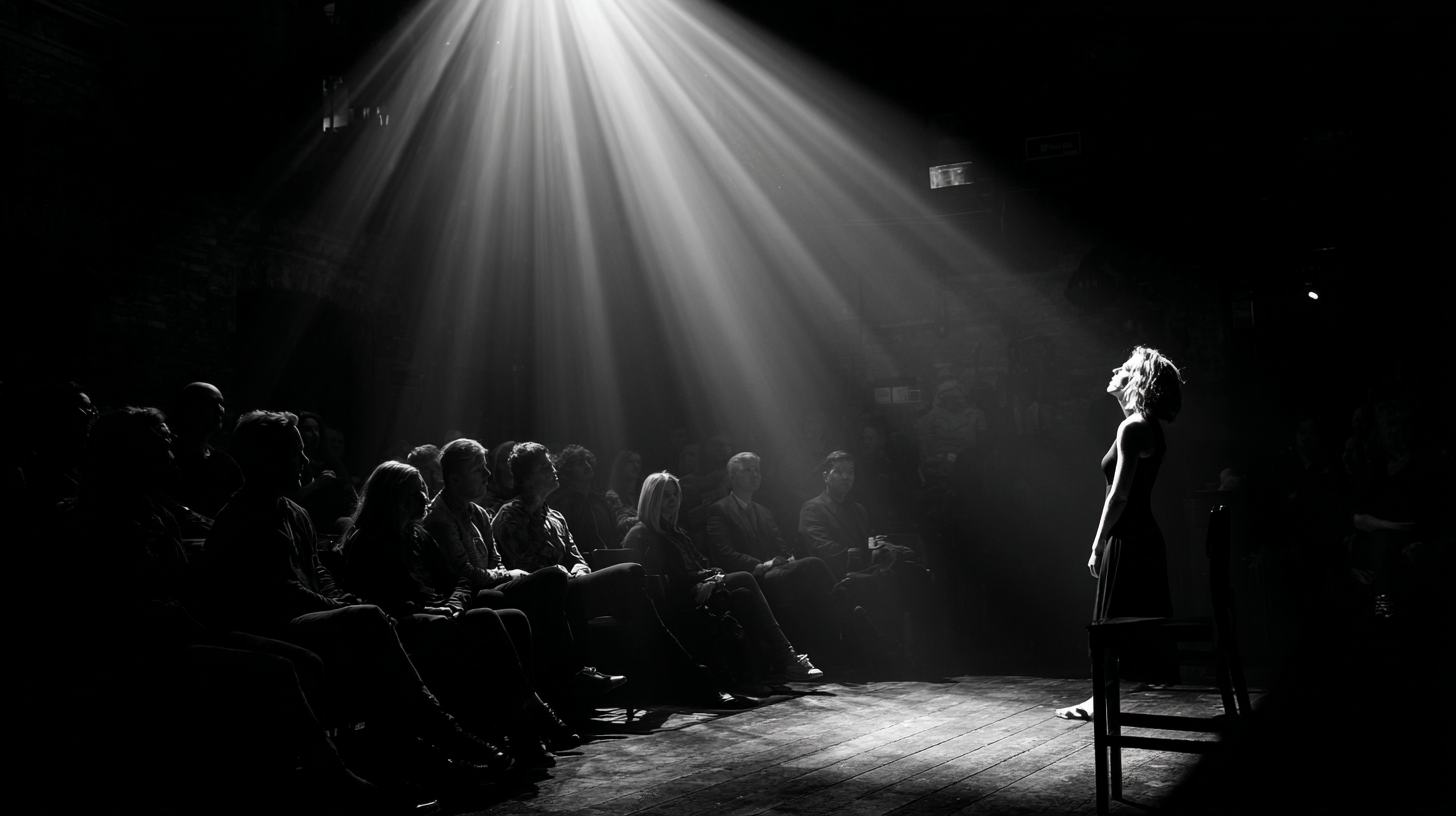
There’s a particular moment in my conversation with Keeana that crystallises everything wrong with how the music industry thinks about audiences. She’s describing the pressure she faced to hide her sexuality for her debut single, the industry professionals telling her to “cover it all up” and become “this straight, beautiful girl” who would “go dance…
-
Mental Health Crisis Among LGBTQ+ Artists: Eric Terino’s Story

Eric Terino’s candid discussion of his agoraphobia and the impact of America’s hostile political climate on his mental health reflects a broader crisis affecting LGBTQ+ artists globally. According to the National Alliance on Mental Illness, LGBTQ+ individuals are more than twice as likely to experience mental health conditions compared to heterosexual, cisgender individuals¹. For artists,…
-
Navigating Chosen Grief and Loss
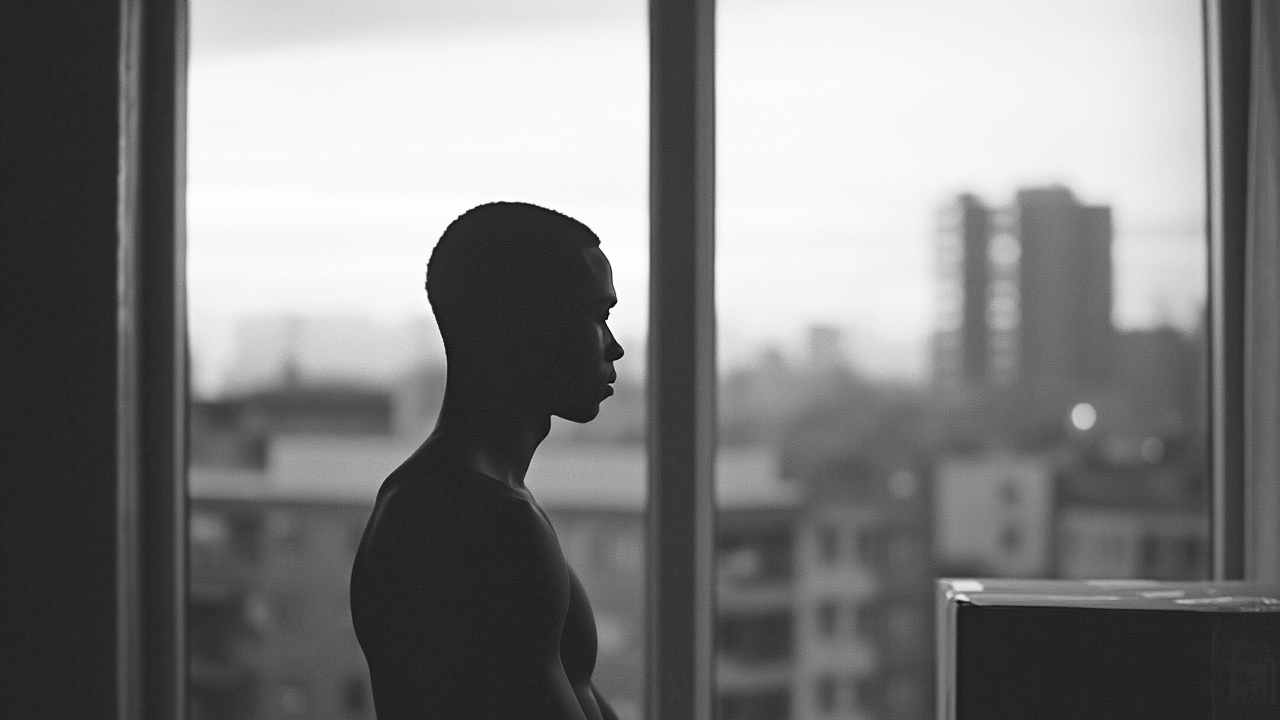
When I was younger, I made what felt like a necessary but devastating choice. I ended a relationship that wasn’t wrong, exactly, but wasn’t right either. We’d built a life together – shared friends, routines, a flat in London that felt like home. The grief that followed wasn’t clean. There was no villain, no dramatic…
-
Ska Music: A Voice for Queer Communities

Being a 1973 London baby, I heard a lot of ska growing up. The genre with its distinctive walking bass lines, punchy brass sections, and syncopated guitar patterns seems engineered to bring people together. It’s perhaps this quality that makes it such a powerful vehicle for connection, particularly for those who find themselves outside mainstream…

IN THE KEY OF Q
Queer Music, Queer Stories, Queer Lives